


Building a Cybersecurity Awareness Program for Employees
Human error remains one of the leading causes of cybersecurity incidents across organizations of all sizes. Despite investments in advanced security technologies, a single uninformed employee can inadvertently expose systems to phishing attacks, malware infections, or data breaches.
A well-structured cybersecurity awareness program empowers employees to recognize threats, follow secure practices, and act as the first line of defense. This guide outlines how businesses can build, deploy, and sustain an effective awareness program that strengthens security culture.
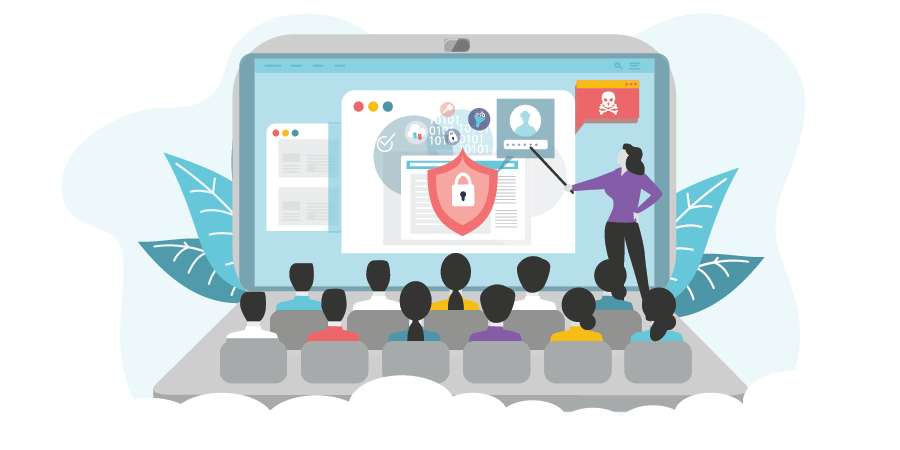
Why Cybersecurity Awareness Matters
Cybersecurity is no longer solely an IT responsibility. Employees interact daily with email, cloud applications, data, and devices, making them attractive targets for attackers seeking an easy entry point.
Awareness programs reduce human risk by teaching employees how to recognize and respond to common attack techniques.
- Reduces phishing and social engineering success rates.
- Improves incident reporting and response speed.
- Supports compliance and regulatory requirements.
- Builds a shared sense of security responsibility.
Defining Program Goals and Audience
An effective awareness program starts with clear objectives. Organizations must identify what behaviors they want to influence and which employee groups require tailored training.
Different roles face different risks. Executives, finance teams, developers, and remote workers each require targeted content aligned with their responsibilities.
- Identify high-risk roles and access levels.
- Set measurable awareness and behavior goals.
- Align training with organizational risk profile.
- Define success metrics such as phishing resilience.
Designing Engaging Training Content
Awareness training should be engaging, practical, and relevant. Long, theoretical sessions often fail to change behavior. Instead, training should focus on real-world scenarios employees encounter daily.
Short modules, interactive simulations, and scenario-based learning improve retention and participation.
- Phishing and email security awareness.
- Password hygiene and multi-factor authentication.
- Safe use of cloud and remote work tools.
- Data handling and privacy best practices.
Phishing Simulations and Continuous Testing
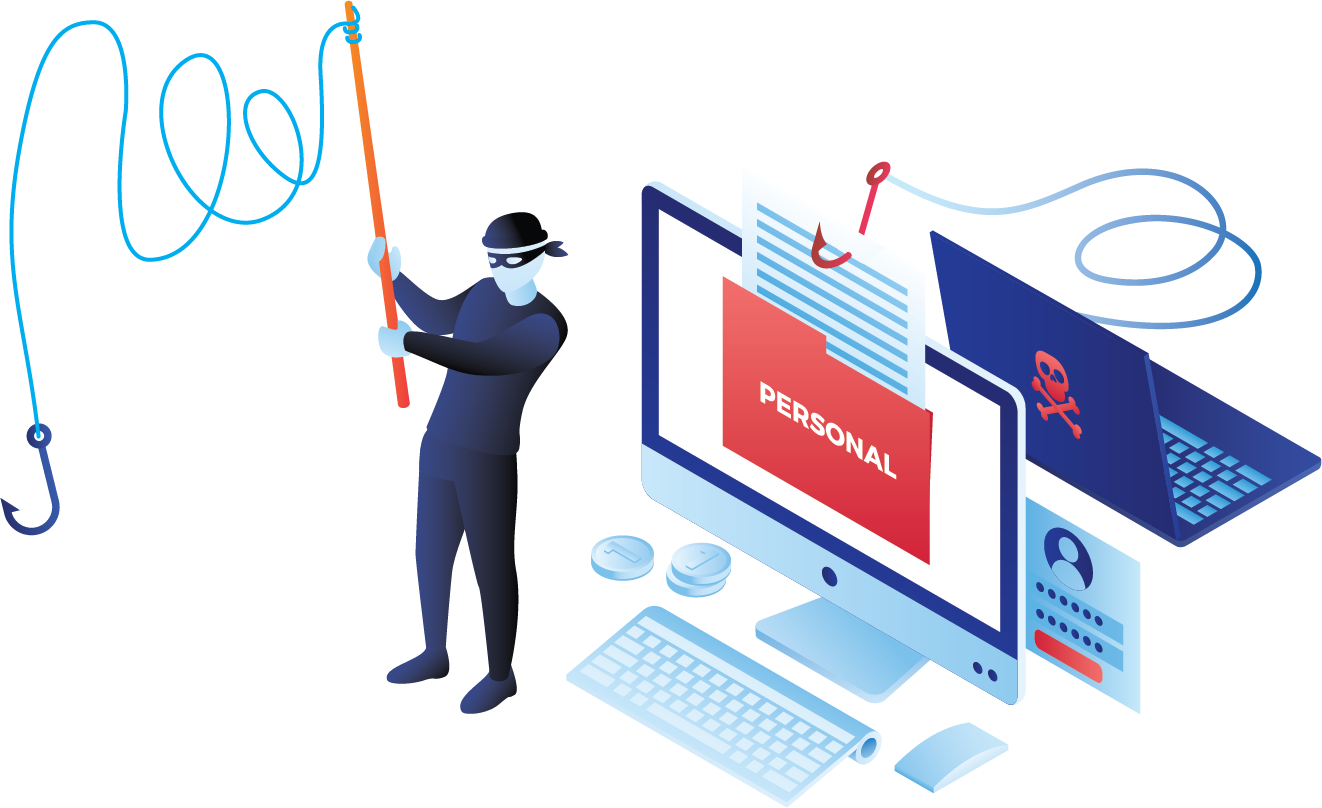
Phishing simulations are one of the most effective tools for reinforcing awareness. Simulated attacks help employees recognize threats in a controlled environment and learn from mistakes.
Results from simulations should be used constructively, focusing on education rather than punishment.
- Conduct regular phishing simulation campaigns.
- Provide immediate feedback and micro-training.
- Track trends and improvement over time.
- Adapt simulations to reflect real-world threats.
Building a Sustainable Security Culture
A successful awareness program goes beyond training sessions. Security must become part of everyday decision-making and organizational culture.
Leadership involvement, consistent communication, and positive reinforcement help embed security into daily operations.
- Encourage leadership participation and messaging.
- Make security reporting simple and accessible.
- Recognize and reward secure behaviors.
- Continuously refresh content based on new threats.
Conclusion
Building a cybersecurity awareness program is a strategic investment in human risk management. When employees understand threats and their role in defense, organizations significantly reduce the likelihood and impact of cyber incidents.
By combining targeted training, continuous testing, leadership support, and cultural reinforcement, businesses can transform employees from vulnerabilities into active defenders of the organization.
Leave a Reply