
Email Phishing Trends and How to Protect Your Team
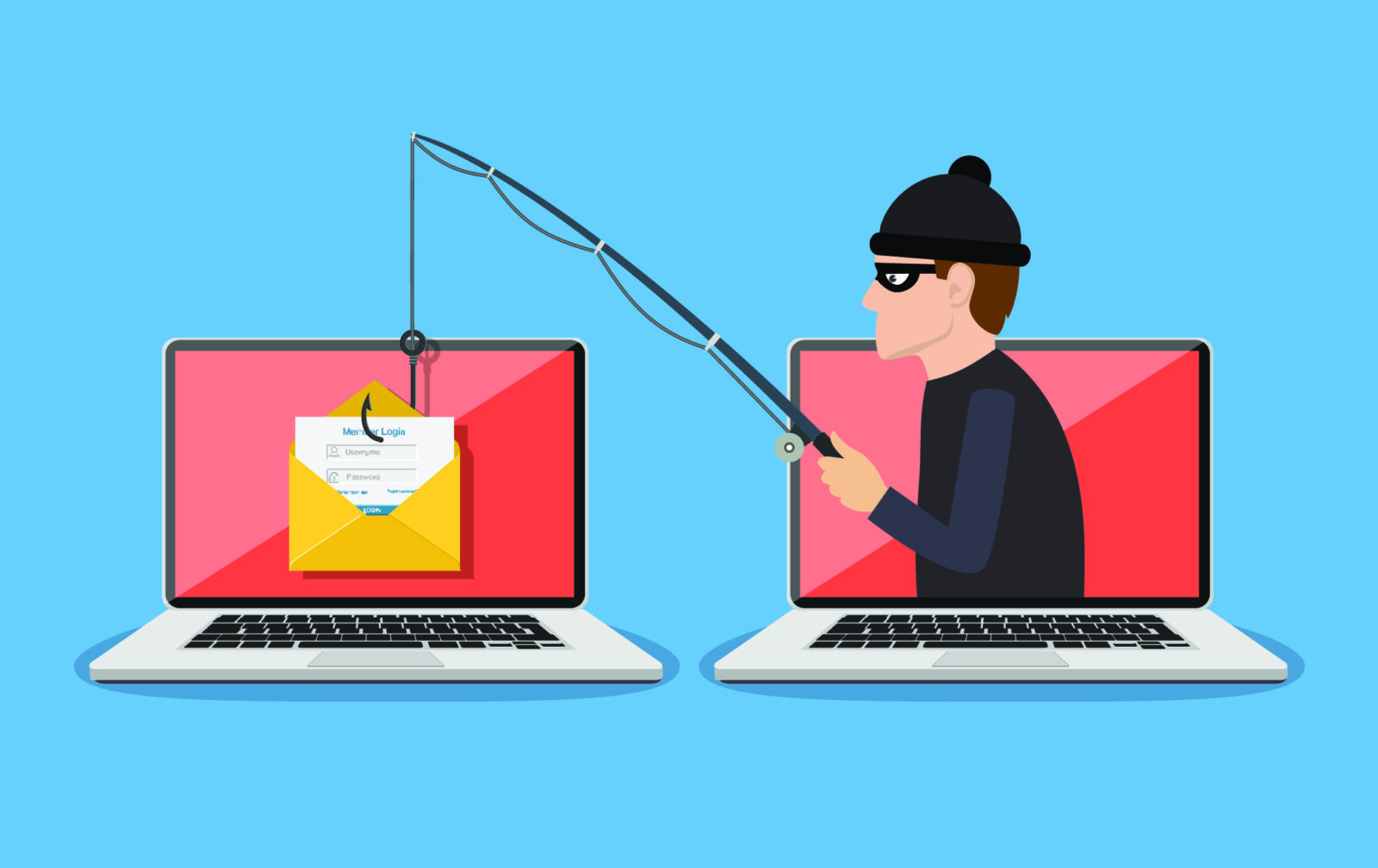
Email phishing continues to be one of the most effective and widespread cyberattack techniques. Despite advances in security technology, attackers exploit human trust, urgency, and familiarity with email communication to compromise organizations. Modern phishing campaigns are far more sophisticated than traditional spam emails, often blending seamlessly into everyday business workflows.
As enterprises increasingly depend on email for collaboration, finance, and operations, phishing attacks pose a serious threat to data confidentiality, financial stability, and brand reputation. Understanding current phishing trends is critical for building resilient defenses and protecting employees from deception.

Emerging Email Phishing Trends
Phishing attacks have evolved from generic mass emails into highly targeted and personalized campaigns. Attackers often research their victims using public data, social media, and previously compromised accounts to craft messages that appear legitimate and trustworthy.
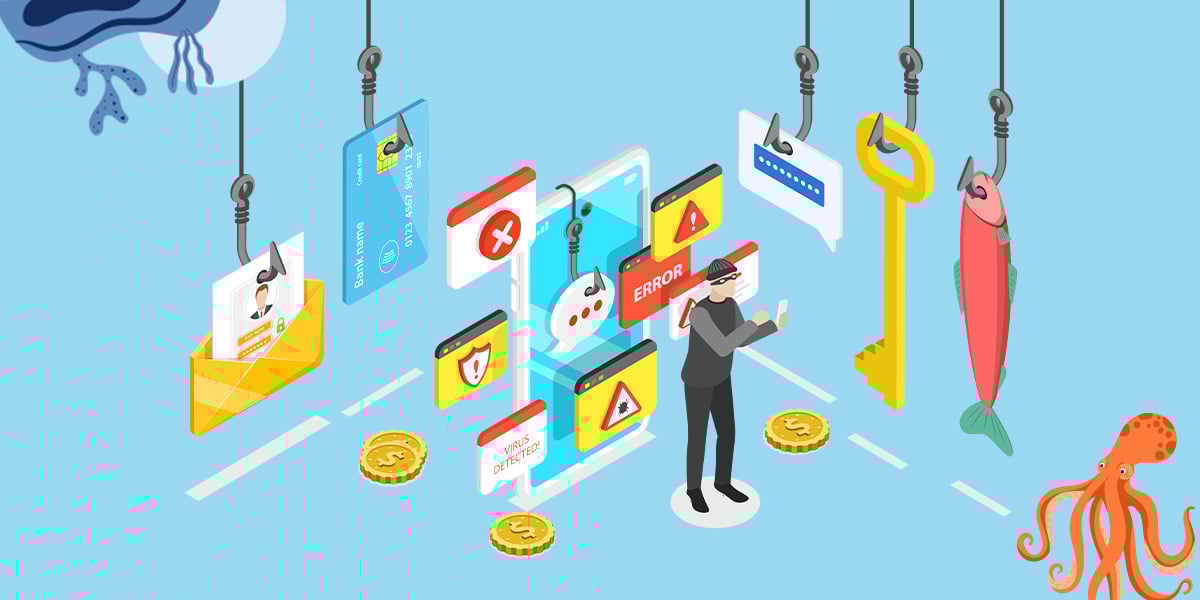
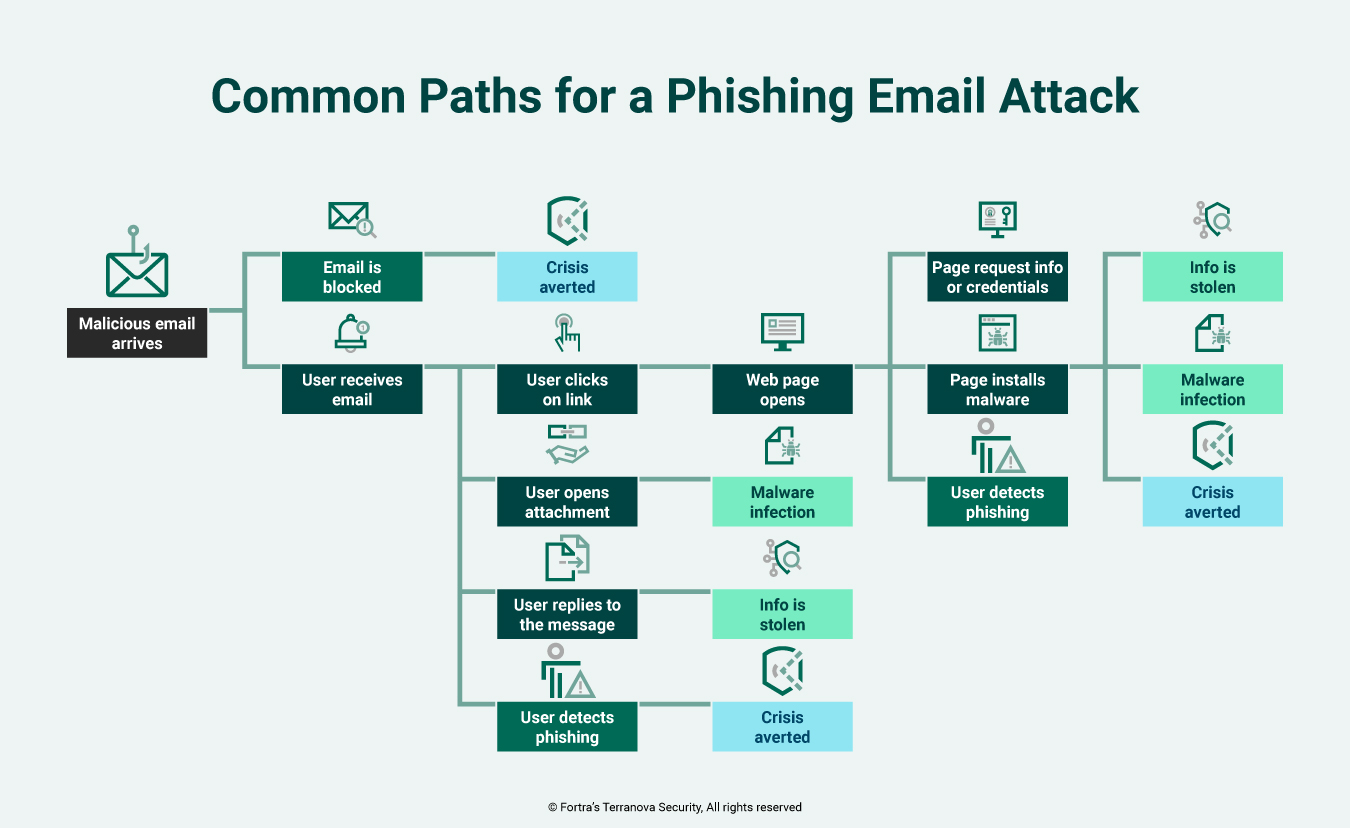
These attacks frequently impersonate internal teams, vendors, or well-known brands. The goal is to manipulate recipients into clicking malicious links, opening infected attachments, or sharing sensitive credentials.
- Spear phishing emails targeting specific employees or job roles.
- Business Email Compromise (BEC) attacks impersonating executives or finance teams.
- Fake login pages designed to steal credentials.
- Use of legitimate cloud services to host malicious content.
Why Email Phishing Remains Effective
Phishing succeeds because it exploits human psychology rather than technical vulnerabilities. Employees may be under pressure, distracted, or unfamiliar with evolving attack techniques, making them more likely to fall victim.
Even organizations with strong security controls can experience breaches when attackers exploit trust and routine workflows. A single successful phishing email can lead to credential theft, malware infection, or unauthorized financial transactions.
- Human trust in familiar names and brands.
- Lack of continuous security awareness training.
- Convincing social engineering techniques.
- Overreliance on automated email filtering.
Protecting Your Team Through Awareness
User awareness is one of the strongest defenses against phishing attacks. Employees should be trained to recognize suspicious indicators such as unexpected requests, unusual sender addresses, and urgent language.
Effective training programs are continuous and adaptive. Simulated phishing campaigns and real-world examples help reinforce secure decision-making and build confidence in identifying threats.
- Educate employees on common phishing tactics and red flags.
- Encourage verification of sensitive requests through secondary channels.
- Provide clear procedures for reporting suspicious emails.
- Conduct regular phishing simulations to reinforce learning.
Email Security Controls and Best Practices
Awareness alone is not sufficient. Organizations must deploy strong technical controls to reduce exposure to phishing emails. Advanced email security solutions help detect malicious links, attachments, and spoofed senders before emails reach users.
A layered security approach ensures that even if one control fails, additional protections can prevent compromise.
- Implement SPF, DKIM, and DMARC to prevent email spoofing.
- Use advanced filtering, sandboxing, and link analysis tools.
- Restrict executable and macro-enabled attachments.
- Monitor email logs for suspicious patterns and anomalies.
Building a Phishing-Resilient Organization
Defending against phishing is an ongoing process. Threat actors continuously adapt their tactics, making it essential for organizations to evolve defenses and reinforce security culture.
Strong leadership support, clear policies, and cross-team collaboration help ensure that phishing protection remains effective and aligned with business objectives.
- Establish clear email usage and credential handling policies.
- Review phishing incidents to identify improvement areas.
- Align awareness programs with real attack trends.
- Integrate phishing defenses into broader security strategies.
Conclusion
Email phishing remains a dominant cyber threat due to its simplicity and effectiveness. As attackers refine their techniques, organizations must combine awareness, technical controls, and continuous improvement to protect their teams.
By understanding phishing trends and fostering a culture of security awareness, enterprises can significantly reduce risk exposure and maintain trust across their digital communications.
Leave a Reply