


Cloud Security and the Shared Responsibility Model Explained
Cloud computing has transformed how organizations deploy, scale, and manage technology. While cloud platforms offer flexibility and efficiency, they also introduce new security responsibilities that are often misunderstood.
The shared responsibility model defines how security obligations are divided between cloud service providers and customers. Misunderstanding this model remains one of the leading causes of cloud security incidents.

What Is the Shared Responsibility Model?
The shared responsibility model clarifies which security controls are managed by the cloud provider and which remain the responsibility of the customer. While providers secure the underlying infrastructure, customers are accountable for how cloud services are configured and used.
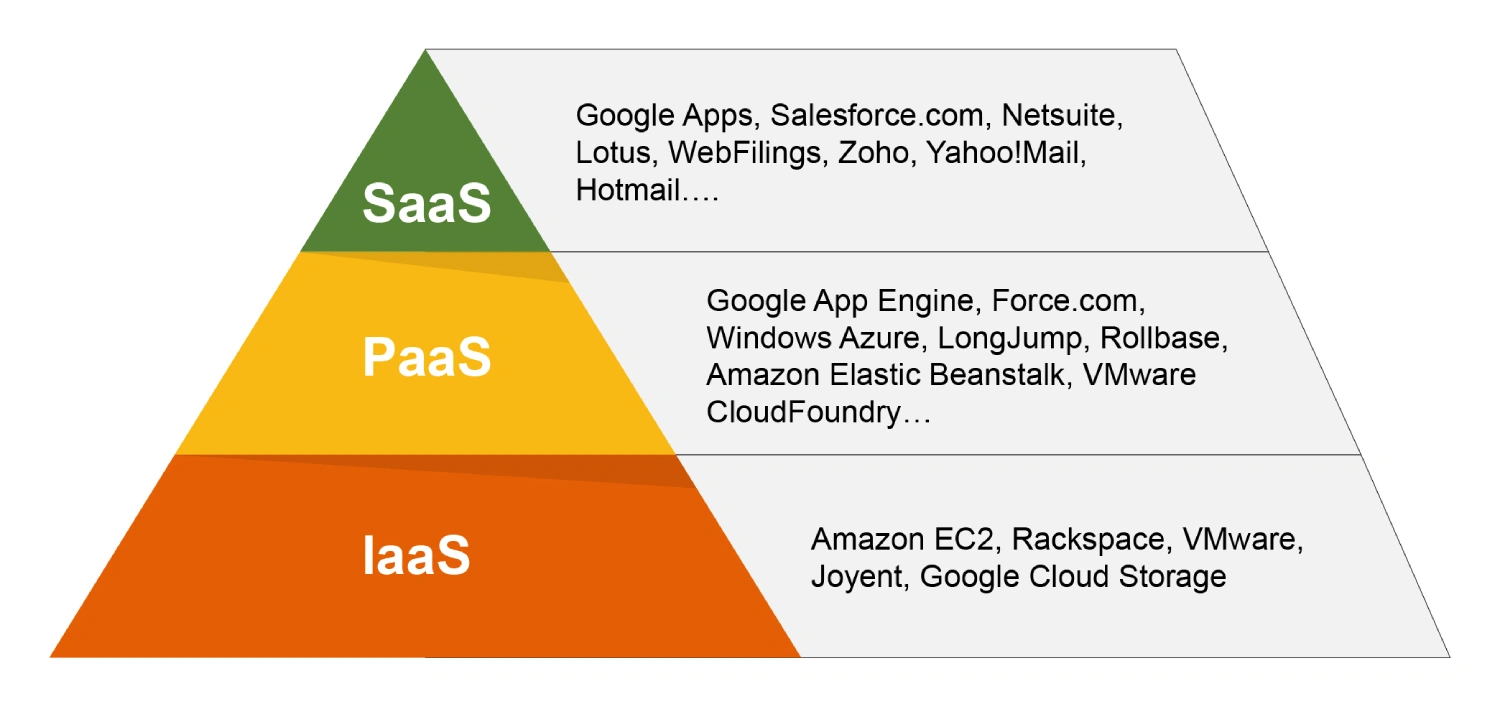
This division varies depending on the service model-Infrastructure as a Service (IaaS), Platform as a Service (PaaS), or Software as a Service (SaaS).
- Cloud providers secure physical data centers and infrastructure.
- Customers manage access, configurations, and data protection.
- Responsibility shifts depending on service type.
- Security failures often result from customer misconfigurations.
Common Cloud Security Misconceptions
Many organizations assume that moving to the cloud transfers all security responsibility to the provider. This misconception creates gaps in visibility, governance, and accountability.
In reality, cloud platforms require disciplined security practices to prevent data exposure and unauthorized access.
- “The cloud provider secures everything.”
- “Cloud services are secure by default.”
- “On-premise controls automatically apply in the cloud.”
- “Compliance is handled entirely by the provider.”
Customer Responsibilities in the Cloud
Organizations are responsible for protecting identities, managing permissions, securing data, and configuring cloud resources appropriately. Weak identity controls and excessive permissions are among the most common cloud security risks.
Effective cloud security requires visibility, governance, and continuous monitoring.
- Identity and access management configuration.
- Data classification and encryption.
- Secure network segmentation.
- Monitoring logs and detecting anomalies.
Governance and Risk Management in Cloud Environments
Strong governance ensures that cloud usage aligns with organizational risk tolerance and regulatory requirements. Without governance, cloud environments can grow rapidly and become difficult to secure.
Security policies must be consistently enforced across accounts, subscriptions, and regions.
- Define cloud security policies and standards.
- Implement role-based access controls.
- Continuously assess configuration risks.
- Integrate cloud security into enterprise risk programs.
Building a Secure Cloud Strategy
A secure cloud strategy combines technology, governance, and awareness. Organizations should treat cloud security as a shared organizational responsibility, not just a technical function.
By understanding their role within the shared responsibility model, enterprises can reduce risk while maintaining agility.
- Educate teams on cloud security responsibilities.
- Embed security into cloud architecture decisions.
- Review responsibilities as services evolve.
- Continuously improve cloud security maturity.
Conclusion
The shared responsibility model is central to effective cloud security. While cloud providers offer robust infrastructure protection, customers remain accountable for how services are configured and used.
Organizations that clearly define responsibilities, enforce governance, and maintain visibility are far better positioned to secure their cloud environments and support long-term digital growth.
Leave a Reply